What is under Independence
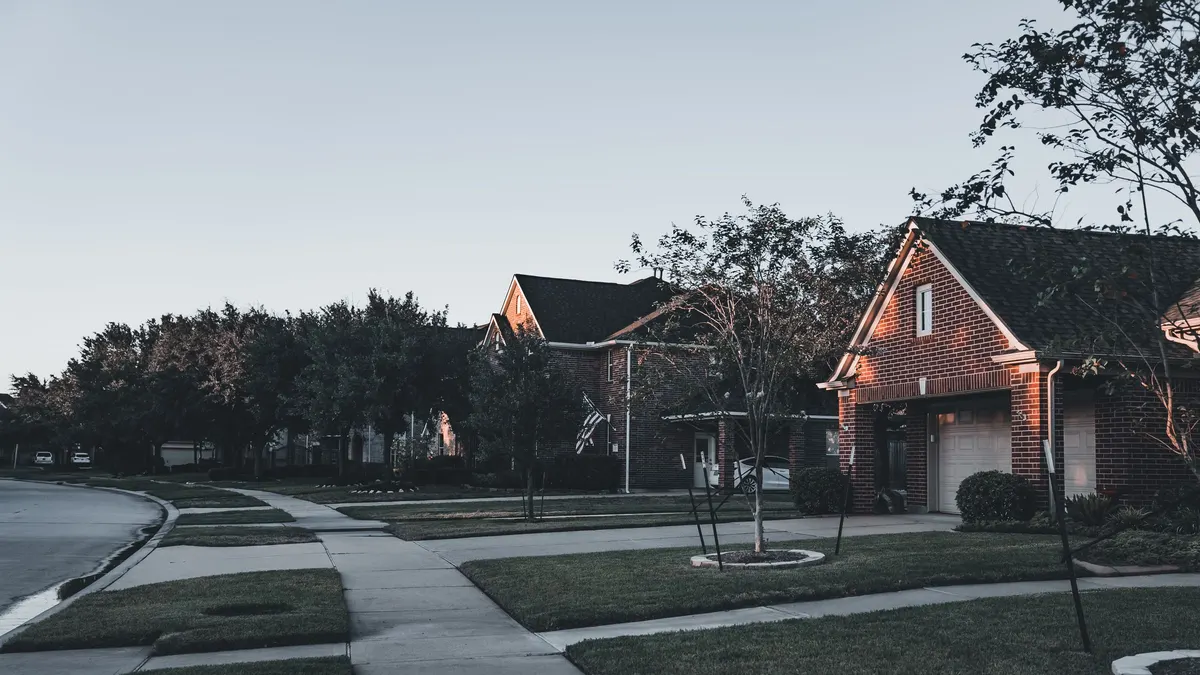
Independence was a city before Kansas City was, and the housing shows it. The historic core around the Square, along Truman Road, Lexington and Maple, is 1880s to 1920s: Victorians, foursquares, bungalows, on lots with elms, oaks and sycamores that are older than the pipes. Those homes drain through vitrified clay laterals laid in 2-foot sections, often 8 to 12 feet deep at the street because the original mains were set deep. Around that core, the 1950s and 60s ring, from the east side out toward 291 and south toward 40 Highway, is ranches and split-levels with cast iron under the slab and clay outside. East and south of that, 1970s to 1990s neighborhoods are PVC.
Deep clay: why lining wins here
Depth changes the math. An open-cut replacement of a 70-foot lateral that is 11 feet deep at the main means a shored trench, days of work and a per-foot cost at the top of the range. A cured-in-place liner does not care whether the pipe is 4 feet down or 12. On Independence's older streets, the camera usually shows clay that is still round with roots at the joints, and lining comes in at half the cost of digging with none of the disruption. Where the camera finds a collapse, usually near the main where the pipe is deepest and oldest, bursting from a pit at the property line reaches it without opening the street.
Cast iron in the postwar ring
A 1957 ranch off Noland Road has 65-year-old cast iron under its basement floor. Channel corrosion along the bottom, scale that narrows the pipe, and slow drains throughout the house are the pattern. Descaling restores flow the same day; lining after descaling seals it permanently without jackhammering the floor, as long as enough wall remains. The post-descaling camera pass is what tells us, and we show you.
Storm backups and backwater valves
Some of Independence's older sewers carry stormwater too, and in a heavy rain the main can surcharge. The result is sewage coming up the floor drain of the lowest basement on the block, sometimes several houses at once. If neighbors have it too, it is the main and the city responds; if it is only you, it is your lateral. Either way, a backwater valve on your lateral, a one-way flap that closes when the main pushes back, is the protection on your side. $1,800 to $4,500 installed depending on depth. Check your policy for a sewer backup endorsement; it pays for the mess, not the pipe.
Permits and jurisdiction
The City of Independence operates its own sewer utility through Water Pollution Control and issues plumbing permits through the building department. The lateral is the homeowner's from the house to the main. How responsibility works.
Response and pricing in Independence
Average response 45 to 60 minutes, 24/7. Same-day camera inspection $249, credited toward the repair. Lining $80–$200 per foot, bursting $90–$220, excavation $50–$250 with depth as the main variable; full table and calculator on the cost page. If it is happening now, the emergency page.
Frequently asked questions
Why does my Independence basement back up when it rains?
Parts of the older city have sewers that take on stormwater, and during heavy rain the main surcharges and pushes back up the lowest laterals on the block. A backwater valve on your lateral is the fix on your side; a cracked lateral that lets in groundwater makes it worse and is worth lining.
Who handles sewer permits in Independence?
The City of Independence, through its building and Water Pollution Control departments. The lateral is the homeowner's to the main. We pull the permit and schedule the inspection.
Are old Independence sewer lines deeper than usual?
Often, yes. In the historic core the mains were laid deep, and laterals from a 1910 house can be 10 to 12 feet down at the street. That makes open excavation expensive and lining, which does not care about depth, the better value on most of these lines.