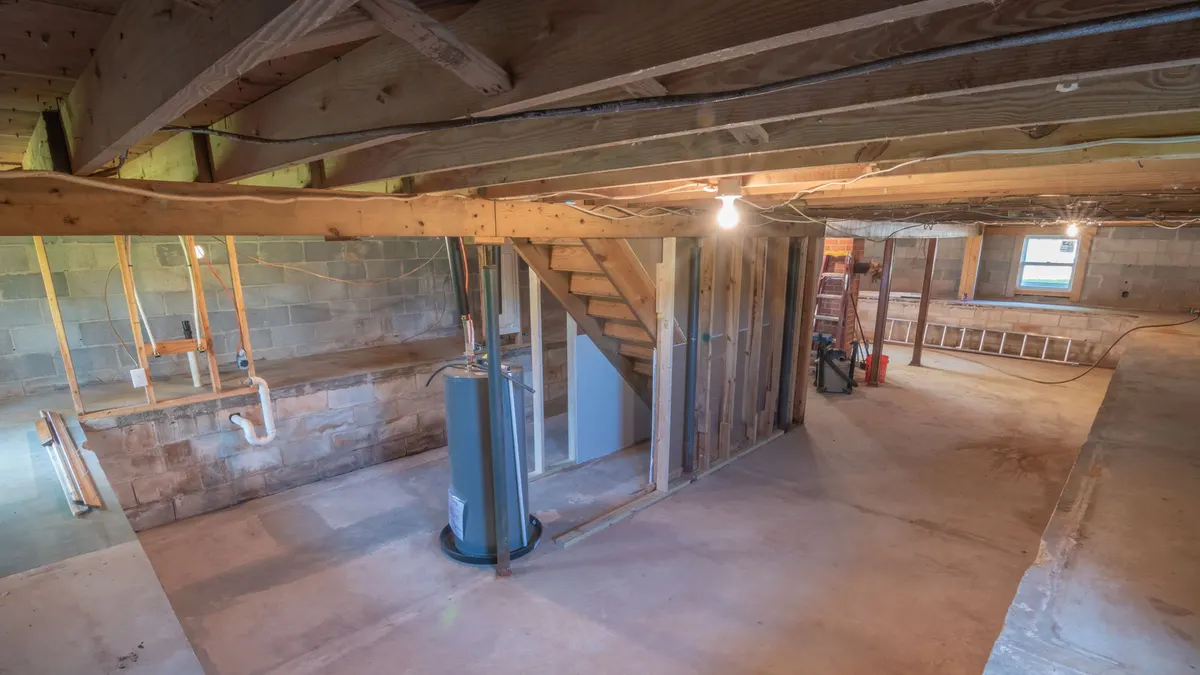
The next ten minutes
- Stop running water. No flushing, no laundry, no dishwasher, no showers. Everything you send down adds to what is coming up. Tell everyone in the house.
- Keep out of the water. Sewage carries bacteria and, if it reached an outlet or the furnace, an electrical risk. If the water is near outlets or the electrical panel, do not walk through it. Shut off power to the basement at the panel only if you can reach it dry.
- Note what happened. Which drain came up first, whether it happened during rain, whether neighbors have the same problem. Take photos for insurance before anything is cleaned.
- Check if it is just you. If the houses next door are backing up too, the public main is blocked. That is the city's problem and they respond 24/7; see who to call in your city. If it is only your house, it is your lateral.
- Call us. Tell us which drain, how much water and whether it is still rising. We dispatch the nearest crew with a jetter and a camera.
What causes a sewer backup in Kansas City
Almost every sewer backup in the Kansas City area comes from one of five things, and the season and the house tell us which before we arrive.
- Tree roots in a clay lateral. The number one cause in any home built before 1975. Roots enter at the joints, catch paper, and the pipe closes over months. Backups peak in spring and fall growth. Why clay pipe fails.
- Grease and wipes. "Flushable" wipes are not. Combined with kitchen grease they form a plug that a cable barely dents. Jetting clears it.
- Collapsed or bellied pipe. A section that has caved in or settled holds solids. This comes back no matter how many times it is cleaned; the section needs repair.
- Heavy rain surcharging the public main. During a storm the main fills beyond capacity and pushes back up the lowest laterals. The fix on your side is a backwater valve.
- Cast iron scale. In 1950s to 1970s homes the iron drain under the slab rusts from the inside and narrows. Cast iron options.
What we do when we arrive
- Get it draining. Through the cleanout, cable or jet depending on what the blockage feels like. In most cases water is going down within 30 minutes of arrival.
- Camera the line. Once the water is down we scope the whole lateral and record it. You see why it happened. What the inspection shows.
- Write down the cause and the options. If it was wipes and grease, you may need nothing more. If it was roots, you get a price for jetting now and lining later. If it was a collapse, you get a price for the repair. Everything by the foot, in writing.
- Document for insurance. Photos, footage and a written cause statement, which is what a sewer backup endorsement claim needs. More on coverage.
Kansas City sewer smell without a backup
A sewer smell in the house or yard usually shows up before a backup does, and it is worth acting on. Inside, the most common cause is a dry trap: a floor drain or a basement shower that has not been used in weeks lets sewer gas straight in. Pour a gallon of water in it and the smell should be gone by morning. If it is not, or if the smell is strongest near the front foundation wall or in the yard between the house and the street, a cracked lateral or a broken cleanout cap may be venting gas at grade. Sewer gas in a closed space is not just unpleasant; hydrogen sulfide is toxic at concentration. A camera inspection and a smoke test find the source.
Emergency sewer repair pricing
| Service | Price | Notes |
|---|---|---|
| Emergency clearing, cable | $180–$300 | Plus $150 after hours or weekends |
| Emergency hydro jetting | $350–$900 | Includes camera pass after |
| Camera inspection | From $249 | Credited to any repair |
| Backwater valve installed | $1,800–$4,500 | Depends on depth and floor access |
| Spot repair of a collapse | $1,200–$3,500 | Accessible yard section |
Full ranges by method are on the cost page. In an emergency we quote the clearing on the phone and everything else in writing after the camera.
Preventing the next one
After the clean-up, three things stop this from happening again. First, a camera-verified diagnosis rather than a guess; most repeat backups are repeat guesses. Second, sealing the roots out permanently with lining if the pipe is sound, or replacing the failed section if it is not. Third, if the backup happened during a storm and neighbors had it too, a backwater valve. It is a one-way flap installed in the lateral that closes when the main pushes back. Kansas City, MO and several suburbs have had programs that help pay for them in areas with repeated storm backups; ask us what currently applies at your address.
24/7 across the metro
Emergency sewer repair in Kansas City MO and KS, Overland Park, Olathe, Independence, Lee's Summit, Shawnee, Lenexa, Blue Springs, Raytown and Gladstone. Night, weekend, holiday.
Frequently asked questions
Why is my sewer backing up when it rains in Kansas City?
Heavy rain overloads combined and leaky sewer mains. When the main surcharges, sewage looks for the lowest opening, which is the floor drain in the lowest basement on the block. A backwater valve on your lateral closes when flow reverses and keeps it out. A cracked lateral also lets stormwater into your own line, which adds to the problem.
Who do I call first, the city or a plumber?
If neighbors are backing up at the same time, call the city sewer emergency line first; a blocked public main is their problem to clear and they respond around the clock. If it is only your house, call us. If you are not sure, call us and we will help you figure out which it is on the phone.
What does the sewer smell in my house mean?
Usually a dry trap, a floor drain or a fixture that has not been used in weeks. Pour a gallon of water down it. If the smell stays, or is in the yard, it can be a cracked lateral venting gas or a broken vent stack. A camera inspection settles it.
Is sewage in the basement an insurance claim?
Only if your policy has a sewer or drain backup endorsement, which is an add-on in most Missouri and Kansas policies. Check your declarations page. We document the cause in writing for any claim.
How fast can you get here?
Average response across the metro is 60 minutes. Emergencies with sewage actively rising in the house get the next available crew, day or night.